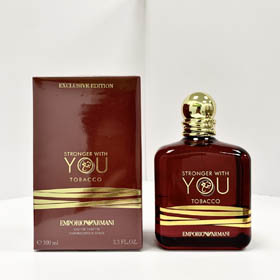
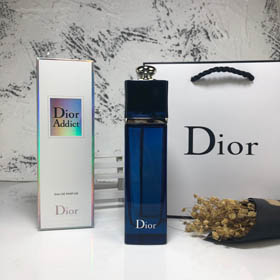
As a beloved form of olfactory art, perfume has captivated humanity for millennia, blending natural and synthetic ingredients to create unique scents. Beyond its aromatic appeal, it serves as a powerful tool for self-expression, evoking emotions and leaving lasting impressions. This article explores perfume’s historical roots, core composition, diverse categories and modern significance.
Perfume’s history dates back to ancient civilizations, with the Egyptians using fragrant oils in religious rituals and the Romans incorporating scents into daily life. The art of perfumery flourished in 17th-century France, evolving into a symbol of luxury and refinement. Today’s perfumes are crafted from a harmonious blend of top, heart and base notes—top notes (e.g., citrus, bergamot) offer initial freshness, heart notes (e.g., jasmine, rose) form the core aroma, and base notes (e.g., vanilla, sandalwood) provide depth and longevity.
Perfumes are categorized by scent families, including floral, oriental, woody, citrus and aquatic, catering to diverse preferences. From light, fresh eau de toilette for daily wear to intense, long-lasting eau de parfum for special occasions, they adapt to various lifestyles. Beyond aesthetics, perfume is deeply personal: a chosen scent can reflect personality, evoke memories or boost confidence. As a timeless luxury, perfume continues to transcend trends, remaining an essential element of personal style and emotional connection.