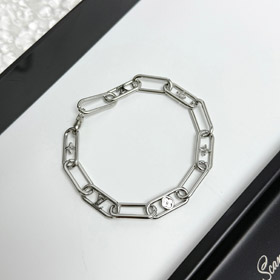
As a universal form of adornment and expression, jewelry has been cherished across civilizations for its blend of aesthetic beauty and emotional significance. Crafted from precious materials and refined through skilled artistry, it ranges from everyday accessories to heirloom pieces, reflecting personal style, culture and cherished memories. This article explores jewelry’s historical roots, core materials, diverse styles and modern relevance.
Jewelry’s history stretches back thousands of years, with ancient cultures like the Egyptians, Greeks and Mesopotamians crafting pieces from gold, silver and semi-precious stones for ceremonial, status and decorative purposes. Over time, the art of jewelry-making has evolved, integrating advanced techniques while preserving traditional craftsmanship. Core materials remain iconic: precious metals such as gold, silver and platinum provide durability and luster, while gemstones like diamonds, rubies, sapphires and emeralds add rarity and brilliance.
Today’s jewelry encompasses diverse styles, from minimalist delicate pieces (like dainty necklaces and stackable rings) to bold statement designs and culturally inspired creations. Beyond aesthetics, jewelry holds profound sentimental value, often gifted to mark milestones like weddings, birthdays and anniversaries. It also serves as a powerful tool for self-expression, allowing individuals to showcase their personality and taste. As a timeless accessory, jewelry transcends trends, remaining a beloved symbol of elegance, love and identity across the globe.