






Why Every Fashion Enthusiast Needs a Litbuy Spreadsheet
Managing an evolving wardrobe with purchases from multiple retailers like Litbuy requires more than memory or random notes. A comprehensive spreadsheet becomes your centralized fashion database, transforming how you track everyday essentials, streetwear pieces, designer investments, and seasonal rotations. This systematic approach eliminates guesswork about fit, quality, and styling potential while saving time and reducing unnecessary returns.
Essential Spreadsheet Columns for Smart Clothing Management
Structure your Litbuy tracker with these detailed columns to capture every purchase dimension:
- Product Name & Brand: Record exact item descriptions and manufacturers
- Size & Fit Notes: Document labeled size versus actual measurements across brands
- Materials & Fabric Quality: Log fabric composition and durability observations
- Color Accuracy: Compare received items with website product images
- Price & Value Assessment: Track cost per wear and price-to-quality ratio
- QC Results: Note manufacturing flaws or construction strengths upon arrival
- Comfort & Styling Reviews: Document wearability and outfit pairing success
- Care Instructions: Preserve washing recommendations and maintenance tips
Categorization and Filtering for Effortless Wardrobe Planning
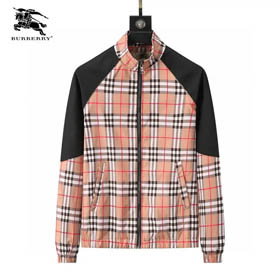
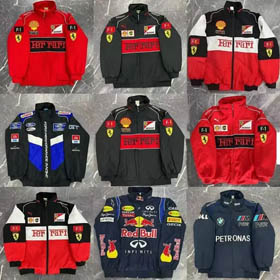
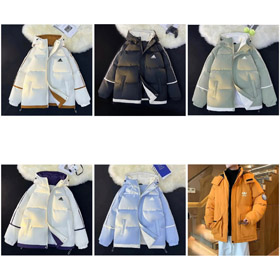
Organize clothing into intuitive categories like tops, bottoms, layers, and outerwear. Implement filters for style aesthetics (minimalist, urban, classic) and occasion (work, casual, formal). This allows instant retrieval of suitable pieces for any situation. For outerwear specifically, maintain detailed entries for jackets and coats. Track weight, warmth rating, water resistance, and layer compatibility for items like technical jackets, leather jackets, and casual jackets.
When documenting Jackets, include shoulder and sleeve measurements, as these garments often have the most variance between brands. A dedicated section for all types of jackets—from lightweight windbreakers to heavyweight winter jackets—ensures you never duplicate purchases and always select the right outer layer for weather conditions.
Advanced Tracking: Size Consistency and Community Insights
One of the most valuable spreadsheet functions is identifying size patterns across different brands. Create a reference table showing how brands compare to your standard measurements. This transforms future ordering into a precise science rather than a guessing game.
Additionally, incorporate community-sourced data columns where you can log fabric feedback after multiple washes, color fading observations, and durability reports over time. This creates a living document that improves with each wear and wash cycle.
Streamlining Bulk Orders and Seasonal Transitions
When making multiple purchases during sales or seasonal updates, your spreadsheet becomes an indispensable planning tool. Filter by missing wardrobe essentials, compare price histories, and ensure new items coordinate with existing pieces. Before each season, review items needing replacement and identify gaps in your collection.
For outerwear transitions, your jacket entries will show which items require maintenance before storage and which can rotate into the upcoming season. This proactive approach extends clothing lifespan and maximizes your fashion investment.
Implementation Tips for Lasting Success
Start with a simple template and expand columns as needed. Dedicate 5 minutes after each purchase to log details while packaging and first impressions are fresh. Schedule quarterly reviews to update wear-and-tear observations. Most importantly, share your format with fellow shoppers to collect broader insights about brand consistency and quality trends.
Your Litbuy spreadsheet evolves from a simple tracker to a personalized fashion intelligence system, ensuring every added piece complements your style, fits perfectly, and meets long-term quality expectations.