











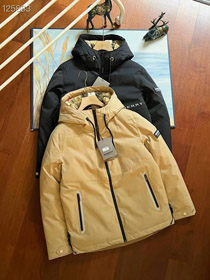
The Core Tool for Modern Clothing Reselling
In the competitive world of cross-border e-commerce, organization is paramount. For clothing resellers managing global clientele, the Kakobuy Spreadsheet emerges as an indispensable, centralized management platform. When integrated with Kakobuy Clothing inventories, this powerful system transforms how entrepreneurs handle full-category apparel purchasing—from trendy tops and durable pants to elegant dresses and coordinated sets. By digitalizing operations, resellers can shift their focus from administrative chaos to strategic growth and customer service.
Structured Product Catalog for Global Audiences
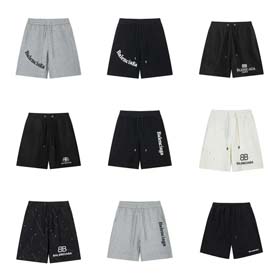
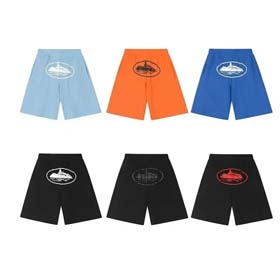
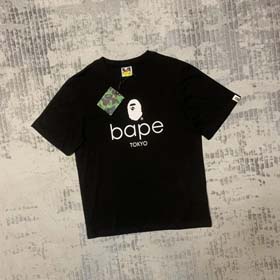
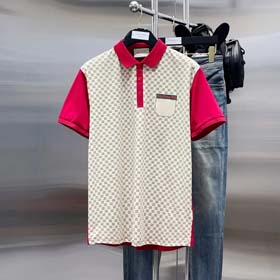
The foundation of efficiency lies in meticulous categorization. The spreadsheet allows resellers to create dedicated sections for every clothing type. Each entry for a Kakobuy Clothing item is comprehensive, detailing brand, style, size, color, and fabric. Crucially, it tracks financials like procurement cost and resale price, ensuring clear profit margins. To bridge the gap for international buyers, savvy resellers enhance entries with size conversion charts and detailed fabric care instructions. This transparency builds trust and reduces sizing-related returns, a common hurdle in online apparel sales. Offering a diverse range, including options from cheap clothing suppliers, allows businesses to cater to various market segments without compromising on organized management.
Data-Driven Procurement and Sales Strategy
The true power of the Kakobuy Spreadsheet is unlocked through sales data analysis. By logging and reviewing sales metrics per category and region, resellers gain invaluable insights into global fashion preferences. The data might reveal, for instance, a stronger demand for loose-fitting silhouettes in North America and Europe, while customers in East Asia may prefer tailored,修身 (fitting) cuts. This intelligence directly informs procurement strategies, enabling resellers to source the right products from Kakobuy Clothing suppliers. Understanding these trends helps in balancing inventory, ensuring popular items are always stocked while minimizing investment in less popular styles. Sourcing strategically also means finding quality, cheap inventory that aligns with these regional tastes, maximizing profitability.
Proactive Operations: Inventory and Quality Control
Beyond sales, the tool automates crucial operational tasks. Setting up low-stock alerts ensures no best-seller ever runs out, triggering timely replenishment orders with suppliers. Furthermore, integrating Quality Control (QC) notes and post-sale service records creates a feedback loop. Resellers can track which clothing categories or specific Kakobuy batches have lower defect or return rates. Analyzing this data highlights reliable suppliers and garment types, guiding future purchases toward higher-quality, cost-effective options. This proactive approach to inventory and quality management minimizes losses and enhances brand reputation, proving that efficient systems are key to sustaining a cheap yet reliable supply chain.
Conclusion: Building a Scalable Purchasing Business
The Kakobuy Spreadsheet is more than a simple tracker; it's the strategic nerve center for a modern clothing purchasing business. By consolidating product data, sales analytics, inventory control, and QC tracking, it empowers resellers to operate with unprecedented precision. This fine-grained management leads to better customer satisfaction, optimized stock levels, and informed buying decisions—even when working with cheap clothing sources. For any entrepreneur aiming to scale their cross-border apparel venture, mastering this tool is not just an advantage; it's a necessity for efficient and profitable growth in a dynamic global marketplace.