ACbuy Spreadsheet

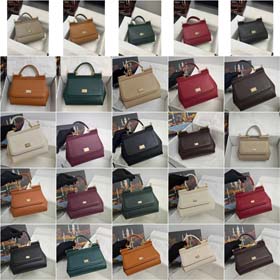
Choosing a new bag often focuses on style, but true value emerges through daily use. A functional Litbuy spreadsheet transforms subjective impressions into objective data, helping you select bags that truly work for your lifestyle. By tracking performance metrics, you shift from aesthetic preference to evidence-based selection.
Watch how small details impact daily comfort over weeks of use. A comprehensive tracking system lets you watch patterns emerge—noting when materials fatigue or which compartments you actually use. This approach reveals what marketing materials often miss.
Start your spreadsheet with these core columns: Date of Use, Primary Activity (school/work/travel/outdoor), Full Weight (lbs/kg), Comfort Score (1-10), and Weather Conditions. Additional fields should include Load Items Carried and Duration Worn. This baseline captures how context affects performance—a bag comfortable for commuting may falter during all-day travel.
Daily comfort hinges on strap design and weight management. Create columns for Strap Comfort (All-Day), Back Padding Effectiveness, and Weight Distribution Notes. Record specific load weights when packed for different scenarios. Users who consistently carry heavy laptops should watch strap stitching areas for stress signs, while travelers might note shoulder fatigue after airport navigation.
Practical organization means intuitive access. Track: Compartment Layout Efficiency (how logically spaces are arranged), Quick-Access Pocket Utility, and Internal Organization Features (pen holders, key clips, etc.). Compare how different bag designs handle your standard item mix—notice when you sacrifice items because they don’t fit logically.
Add sections for Scratch/Dirt Resistance, Water Resistance Performance, and Zipper Quality Over Time. Material columns should document how different fabrics (nylon, polyester, canvas) withstand handling. Frequent users should watch corners and high-contact areas for premature wear, especially when transitioning between environments.
Evaluate Anti-Theft Design Elements (lockable zippers, RFID pockets, slash resistance) and Closure Security during movement. Urban commuters often prioritize these features more than outdoor users—your spreadsheet should reflect these contextual needs.
Create separate evaluation sections for different use cases. A bag perfect for work may fail during weekend activities. Rate each bag’s School/Work Adaptation (laptop protection, document organization), Travel Readiness (TSA compliance, luggage pass-through), and Outdoor Activity Suitability (hydration bladder compatibility, equipment attachment points). Minimalists should particularly watch compact designs that maximize internal space without bulk.
Long-term tracking reveals failure points invisible during store testing. Maintain a Structural Issues Log with columns for First Noticed Date, Weakness Description (e.g., "bottom seam stress after 3 months"), and Impact on Usage. This historical data becomes invaluable when comparing durability across brands or materials. Watch how bags handle overload scenarios—occasional heavy carries often reveal design flaws that gentle use doesn’t expose.
Beyond capacity, evaluate how efficiently different items fit. Create comparison matrices for: Laptop/Tablet Storage (ease of insertion, padding adequacy), Water Bottle Accommodation (size compatibility, stability), and Daily Essentials Organization (phone, wallet, keys, glasses). Note when "theoretical" capacity differs from practical packing—some bags lose significant space to padding or irregular shapes.
Incorperate sections for Personal Comfort Notes, Observer/Comments Received, and Comparative Rankings against previous bags. This qualitative data adds context to numerical scores. Watch how your priorities evolve as your spreadsheet grows—initial emphasis on appearance often shifts toward ergonomics and durability after tracking actual use.
A well-maintained Litbuy spreadsheet reveals patterns across brands and designs. Sort data by your most frequent activities to identify truly versatile performers. Notice which features you consistently use versus those that go unused. This evidence-based approach ensures future purchases prioritize functional, comfortable solutions tailored to your actual routine, reducing costly purchasing mistakes.
Consistently update your observations—seasonal changes affect bag performance too. Watch how materials handle temperature variations and weather exposure. The spreadsheet becomes a living document that reflects your evolving needs, ensuring every bag purchase delivers lasting practical value rather than temporary aesthetic appeal.
acbuy.cc Legal Disclaimer: Our platform functions exclusively as an information resource, with no direct involvement in sales or commercial activities. We operate independently and have no official affiliation with any other websites or brands mentioned. Our sole purpose is to assist users in discovering products listed on other Spreadsheet platforms. For copyright matters or business collaboration, please reach out to us. Important Notice: acbuy.cc operates independently and maintains no partnerships or associations with Weidian.com, Taobao.com, 1688.com, tmall.com, or any other e-commerce platforms. We do not assume responsibility for content hosted on external websites.