
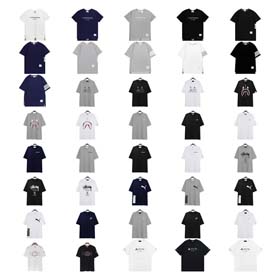

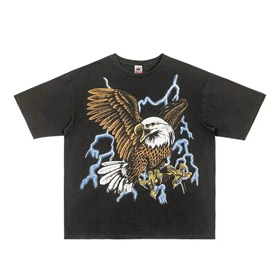

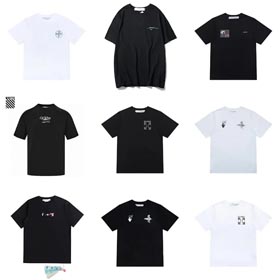


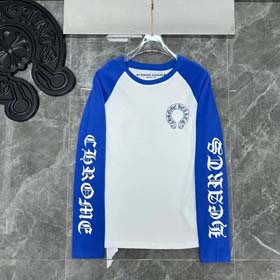

Effective apparel sourcing requires meticulous organization, especially when managing multiple T-shirt orders. A well-designed Litbuy spreadsheet becomes your central hub for comparing suppliers, tracking quality metrics, and ensuring consistency across bulk purchases. Unlike generic inventory trackers, a purpose-built sheet for T-shirts captures granular details like fabric hand feel, post-wash shrinkage rates, and graphic print durability. This approach transforms subjective assessments into actionable data, empowering you to make informed purchasing decisions that balance cost, comfort, and longevity.
Core Data Columns for Your T-Shirt Litbuy Tracker
Begin by structuring your spreadsheet to log both objective specifications and experiential feedback. Essential columns include:
- Fabric Composition & Weight: Log percentages of cotton, polyester, or blends (e.g., 100% combed cotton, 60/40 cotton-poly). Note fabric weight in GSM (grams per square meter), a key indicator of thickness and drape.
- Fit & Sizing: Categorize fit types—slim, regular, relaxed, or oversized—and link to detailed sizing charts for each supplier. Record any inconsistencies between labeled size and actual measurements.
- Graphic Print Details: Specify print method (screen print, DTG, sublimation) and assess quality. Columns for print alignment tolerance, color vibrancy, and color fastness after repeated washes are crucial for graphic tees.
- Durability Metrics: Track neckline durability (to prevent stretching), stitching quality at seams, and fabric resistance to pilling. User feedback on comfort and washability should be logged here, noting common issues like shrinkage or fading.
Operational & Financial Tracking
Beyond product specs, your Litbuy sheet must streamline logistics:
- Pricing & Quantities: Compare unit prices across styles and order quantities. Calculate landed costs by adding shipping costs for lightweight apparel, which, like Bags, Bags and other soft goods, often ship at volumetric weight. This prevents hidden cost surprises.
- Inventory & Restocking: Track restock dates for popular graphic designs. Flag items with long lead times to avoid shortages.
- Quality Control (QC) Checklist: Incorporate a QC section for print alignment and stitching inspections. Use pass/fail flags for consistent evaluation. Note suppliers that consistently deliver soft, durable tees maintaining shape over time.
Optimizing for Decision-Making
A dynamic Litbuy spreadsheet turns data into insight. Use conditional formatting to highlight styles with frequent shrinkage complaints or superior color retention. Filter views to compare casual versus graphic styles side-by-side, assessing which suppliers excel in each category. This system not only refines your current orders but builds a historical database for future sourcing, ensuring you repeatedly select well-fitting, high-quality T-shirts that satisfy customer expectations for comfort and durability, wash after wash.
Regularly update the sheet with new feedback and cost data. This living document becomes your most valuable tool for managing T-shirt orders, capable of adapting to trends like the demand for oversized fits or specific fabric blends. With everything consolidated, you can confidently streamline your ordering process, optimize costs, and maintain a reliable, quality-controlled apparel line.