ACbuy Spreadsheet

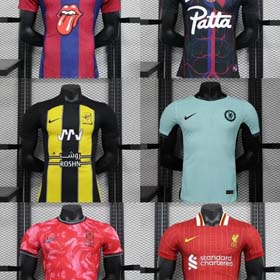
For serious cross-border ecommerce agents specializing in apparel, the Pandabuy spreadsheet has emerged as an indispensable tool for refining T-shirt operations. Far more than a simple inventory list, this dynamic document enables data-driven decision-making that directly increases sales volume in the competitive dropshipping landscape. By systematically organizing product and market data, agents can transform their approach to selling casual clothing.
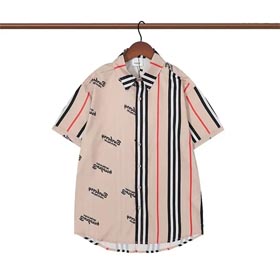
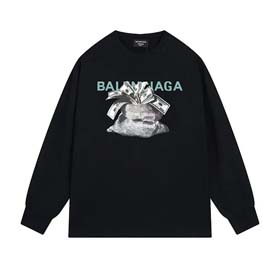
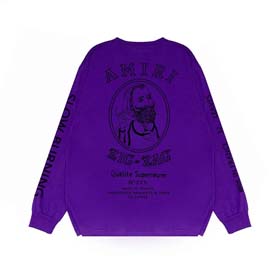
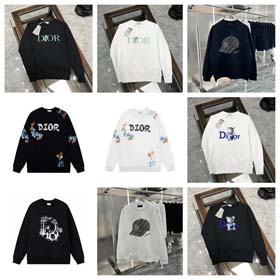
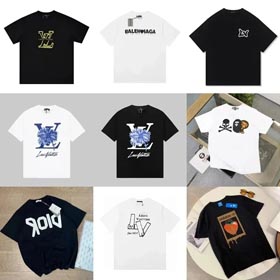
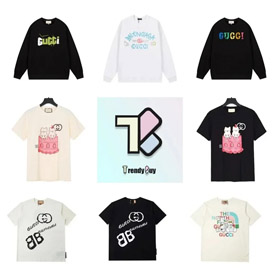
A core function of the spreadsheet is its ability to monitor the rise and fall of T-shirt print designs. Agents can dedicate a section to recording the popularity, sales velocity, and customer reviews for various graphic patterns. Implementing keyword filters for terms like 'vintage print' or 'minimalist lettering' allows for real-time tracking of search demand. For instance, if data shows a sustained spike in searches for retro-style graphics, an agent can immediately increase procurement orders for those designs, capitalizing on the trend before competitors. This proactive approach to understanding clothing trends is what separates top performers from the rest.
Beyond prints, smart agents use their spreadsheets to log detailed customer feedback on fabric performance. Notations on breathability, comfort, and cooling properties for materials like 100% cotton, bamboo blends, or icelike silk become valuable seasonal guides. Data might reveal that lightweight, moisture-wicking fabrics drive positive reviews during summer, while slightly heavier cotton blends are preferred in cooler months. This intelligence allows agents to strategically promote the right clothing materials at the right time, significantly improving customer satisfaction and repeat business.
The true power of this organizational system lies in personalization. By maintaining a record of individual client preferences—such as a noted interest in anime, specific color palettes, or band merch—agents can curate highly targeted recommendations. Sending a personalized message highlighting a new batch of anime-print graphic tees to a relevant client segment feels like a concierge service, not just a mass advertisement. This builds loyalty and directly boosts conversion rates, as customers are more likely to purchase clothing that aligns perfectly with their taste.
In essence, the Pandabuy spreadsheet evolves from a passive record-keeper into an active growth engine for T-shirt agents. It consolidates trend forecasting, product quality analysis, and customer relationship management into a single, actionable framework. By diligently tracking print trends, fabric feedback, and client preferences, agents gain a formidable edge. They transition from simply selling generic clothing items to becoming savvy merchants who anticipate market shifts and foster personal connections, ultimately securing higher sales and sustained success in the dynamic world of online clothing retail.
acbuy.cc Legal Disclaimer: Our platform functions exclusively as an information resource, with no direct involvement in sales or commercial activities. We operate independently and have no official affiliation with any other websites or brands mentioned. Our sole purpose is to assist users in discovering products listed on other Spreadsheet platforms. For copyright matters or business collaboration, please reach out to us. Important Notice: acbuy.cc operates independently and maintains no partnerships or associations with Weidian.com, Taobao.com, 1688.com, tmall.com, or any other e-commerce platforms. We do not assume responsibility for content hosted on external websites.