














Why the Kakobuy Spreadsheet Is Essential for T-Shirt Dropshippers in 2025
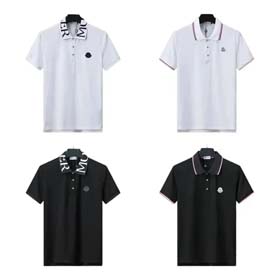
For cross-border e-commerce entrepreneurs, managing a T-shirt dropshipping business requires precision and organization. The Kakobuy Spreadsheet has emerged as the central management tool for this niche, specifically designed to streamline operations for kakobuy T-shirt products. This powerful system allows sellers to meticulously control every aspect of the sourcing and sales process. Looking ahead to 2025, leveraging such a targeted tool will be a key differentiator in a competitive market, enabling vendors to offer superior service while maximizing their profit margins.
Centralized Product Management for Kakobuy T-Shirts
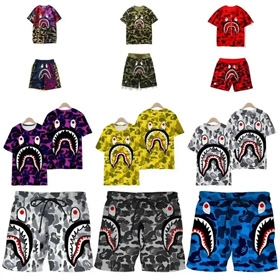
Within the Kakobuy Spreadsheet, dropshippers can create a dedicated section for each T-shirt product. This acts as a master database for recording critical details such as brand, style, fabric composition, size range, available colors, and print design. Importantly, it also tracks financial data including procurement cost and the final retail price. To enhance customer targeting, savvy sellers assign style attributes like casual, athletic, streetwear, or vintage. This granular organization, projected to be the standard by late 2025, makes it effortless to match the perfect tee to a customer's preferences.
Dynamic Filtering for Seasonal and Trending Demand
A standout feature of this system is its capacity for dynamic filtering. Dropshippers can tag products for specific themes, enabling automatic campaign alignment with market demand. For instance, during summer, sellers can prioritize showcasing lightweight, breathable cotton T-shirts. As the 2025 holiday season approaches, the spreadsheet can instantly filter to display tees featuring festive graphics or customizable elements. This proactive approach ensures your inventory marketing is always timely and relevant.
Data-Driven Strategy Through Sales Analytics
The true power of the Kakobuy Spreadsheet unfolds in its analytics capabilities. By logging sales figures and customer feedback for each design, sellers can perform in-depth analysis. Trends become clear: perhaps minimalist letter prints or retro graphic tees are consistently top sellers in early 2025. This intelligence directly informs future purchasing decisions, allowing you to double down on popular items and phase out underperformers. Simultaneously, integrated logistics data—like item weight and shipping cost per region—enables precise cost calculation. This allows for optimized pricing strategies that protect and even enhance profitability. The result? A T-shirt dropshipping operation that is not only organized but also intelligently adaptive and primed for growth in the evolving market of 2025 and beyond.