






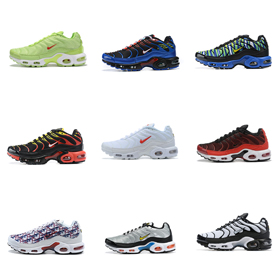



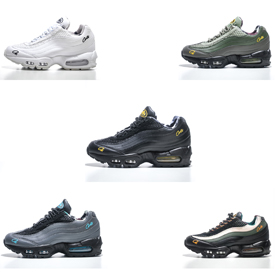


For resellers in the competitive Hipobuy shoes marketplace, a high after-sales return rate is more than just a nuisance; it's a direct threat to profitability and reputation. Managing customer complaints about sizing, quality, or incorrect items can quickly become a time-consuming drain. The solution? A dedicated Hipobuy spreadsheet. This isn't just any ledger; it's a strategic tool designed specifically to track, analyze, and systematically eradicate the root causes of after-sales issues, turning a reactive problem into a proactive growth strategy.
The High Cost of After-Sales Issues in Sneaker Resale
Every after-sales request, whether for a pair of Moncler sneakers or popular athletic brands, chips away at your margin. Shipping costs, time spent on communication, and potential loss of inventory add up. More critically, repeated issues damage client trust and satisfaction. The core mission for any serious reseller is to prevent these problems before they occur, and this requires precise data—exactly what a tailored spreadsheet provides.
What to Record in Your Hipobuy Tracking Spreadsheet
An effective spreadsheet goes beyond simple order logging. It should serve as a centralized database for every post-purchase interaction:
- Order Details: Brand (e.g., Moncler, Nike, Adidas), specific model/colorway, and precise size.
- After-Sales Problem Type: Categorize issues clearly—Size Mismatch, Quality Defect (like glue stains or stitching flaws), Wrong Item Shipped, or Delivery Damage.
- Root Cause Analysis: This is the crucial step. Tag the likely origin: Procurement Error (misreading sizing charts, sourcing from unreliable suppliers), QC Failure (missing defects during inspection, incorrect size verification), or Communication Gap (unclear product descriptions, insufficient pre-purchase detail with the client).
From Diagnosis to Action: Implementing Corrective Measures
Data is useless without action. Your spreadsheet should map each root cause to a concrete improvement step:
- For Procurement Problems: Update supplier vetting criteria, create a standardized sizing chart comparison guide, or blacklist batches with frequent issues.
- For QC Failures: Implement a mandatory multi-point checklist (including detailed photos of tags, soles, and stitching), introduce a double-check system for size labeling, or invest in better lighting for inspection areas.
- For Communication Issues: Develop pre-formatted, detailed product templates that highlight potential fit notes (e.g., “Moncler footwear often runs large”), use size comparison graphics, and set clear expectations on condition.
Assign each action to a responsible team member and set a clear deadline for implementation.
The Cycle of Continuous Improvement
The power of the Hipobuy spreadsheet lies in its ongoing use. Dedicate a section to track the status of implemented measures and, most importantly, monitor the trend in your overall after-sales rate over subsequent weeks and months. This visual feedback loop is invaluable. Seeing the rate drop confirms effective strategies; a stagnant or rising rate signals the need for further analysis and different interventions. For premium segments like Moncler or other high-value sneakers, this disciplined approach is non-negotiable for maintaining a premium service image.
In essence, this specialized spreadsheet transforms your operational approach. It moves you from putting out fires to building a fire-resistant business model. By meticulously recording, reasoning, and refining, you don't just lower your after-sales rate—you build a foundation of reliability that drives customer loyalty, positive reviews, and significantly healthier profit margins on every pair you sell.