


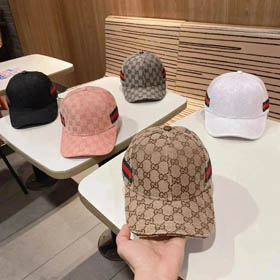
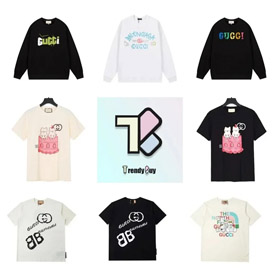
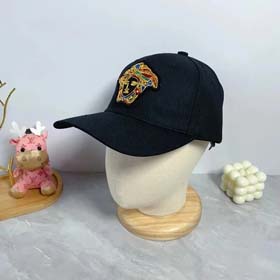
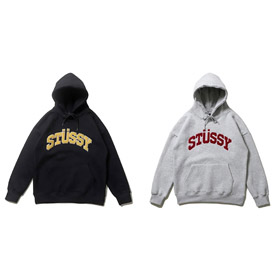
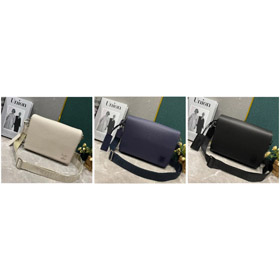
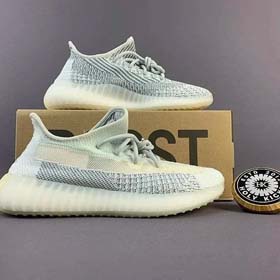
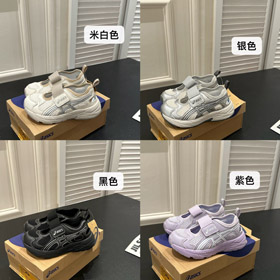



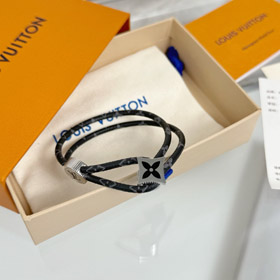
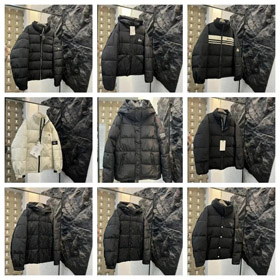
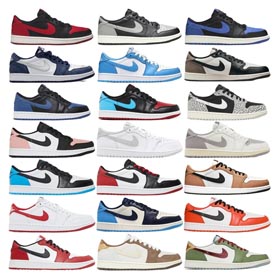
For cross-border e-commerce agents, efficiently managing fashion purchases from platforms like Pandabuy requires precision and organization. A well-structured Pandabuy spreadsheet serves as the central nervous system of a successful clothing sourcing operation. By systematically organizing Pandabuy clothing into categories such as tops, pants, dresses, and suits, agents can track every detail—from brand and style to size, color, fabric, cost, and resale price. This method transforms chaotic ordering into a streamlined process.
Key to this system is detailed categorization. Each clothing item logged in the Pandabuy spreadsheet should include essential attributes like brand, specific style name, available sizes (with a dedicated size conversion chart for international clients), color variations, fabric composition with care instructions, procurement cost, and final agent price. For instance, a ‘Wool Blend Turtleneck’ under ‘Tops’ would list material details to help overseas buyers understand quality. Surprisingly, tools designed for other niches—like Electronics inventory sheets—share similar structural principles of SKU tracking and specification logging, though applied here to fashion’s tactile elements. Even when managing Electronics gadgets, the core concept of detailed spec sheets parallels the need for thorough clothing descriptions.
Beyond basic inventory, savvy agents leverage their Pandabuy spreadsheet for data-driven sourcing. By analyzing sales data per region, you can identify patterns: European and American clients often prefer relaxed fits, while Japanese and Korean buyers lean toward tailored, slim-fit clothing. Recording this in a ‘Sales Trends’ tab allows you to adjust procurement strategies seasonally, focusing stock on high-demand silhouettes for each market.
Operational efficiency is further enhanced with automated features. Setting low-stock alerts ensures popular items never run out, triggering timely reorders from Pandabuy clothing suppliers. A dedicated QC and after-sales log helps track which categories—like basic knitwear or durable outerwear—have fewer returns, informing future buying decisions to minimize defects and customer complaints.
In summary, a comprehensive Pandabuy spreadsheet does more than list items; it becomes a strategic tool for global fashion arbitrage. By centralizing product data, regional preferences, inventory alerts, and quality control notes, agents can scale their Pandabuy clothing business with confidence, ensuring every order meets client expectations while maximizing profitability through informed, data-backed decisions.