


















Running a successful cross-border clothing purchasing business requires precision, organization, and keen market insight. For entrepreneurs and agents navigating this competitive space, the CSSBuy spreadsheet emerges as a pivotal management solution, especially when paired with the diverse range available through CSSBuy clothing platforms. By centralizing data and automating key processes, this tool can significantly enhance operational efficiency and client satisfaction for apparel-focused ventures.
Centralizing Apparel Management
The core strength of the CSSBuy spreadsheet lies in its ability to structure and catalog vast clothing inventories. Seasoned agents typically create dedicated sections for each garment category, systematically organizing CSSBuy clothing items into tops, pants, dresses, suits, and more specialized groups. For each entry, critical details are logged, including brand, style, size, color, fabric composition, sourcing cost, and final purchasing price. This meticulous record-keeping is invaluable for both internal tracking and transparent client communication.
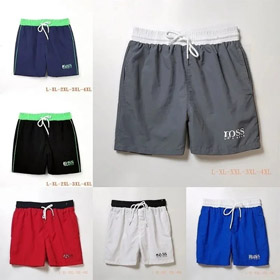
Beyond basic categorization, effective sheets incorporate essential reference materials directly into their workflow. Size comparison charts translate international sizing standards, helping overseas buyers accurately select fits. Detailed fabric notes explain material properties like breathability, stretch, or care requirements, reducing ambiguity and preempting common customer queries. This clarity is particularly useful for core staples like T-shirt/shorts combinations, where fit and fabric quality are primary purchase drivers.
Data-Driven Sourcing and Strategy
Sophisticated purchasing isn't just about logging items—it's about understanding market demand. A well-maintained CSSBuy spreadsheet allows agents to analyze sales data segmented by customer region, revealing powerful preferences that guide procurement. For instance, analysis often shows that Western clients from North America and Europe frequently favor relaxed, oversized fits in items like hoodies or trousers. In contrast, customers in East Asian markets, such as Japan and South Korea, may show a stronger preference for tailored, slim-fit silhouettes across similar categories.
These regional insights, quantified within the spreadsheet, enable agents to make informed sourcing decisions when selecting new CSSBuy clothing stock. By anticipating demand for certain cuts and styles, they can optimize their offerings, reduce slow-moving inventory, and increase sales velocity for high-demand regions.
Automating Operations and Ensuring Quality
Manual stock checks are prone to error. Proactive agents use their CSSBuy spreadsheet to implement automated low-stock alerts. By setting minimum quantity thresholds for each product line—whether it's a popular brand of jeans or a specific color of T-shirt/shorts—the system can flag items needing replenishment. This prevents missed sales opportunities and ensures consistent availability for repeat customers.
Quality control (QC) and post-sale feedback are also tracked within the management framework. Recording QC pass/fail rates for incoming batches and logging common customer complaints helps identify patterns. For example, an agent might discover that polyester-blend tops have a higher return rate due to skin sensitivity issues compared to pure cotton alternatives. By analyzing this data, they can prioritize sourcing from more reliable suppliers or shift focus toward categories with inherently lower售后 rates, thereby improving overall customer experience and reducing logistical headaches.
Conclusion: Precision for Global Success
In the intricate world of cross-border clothing procurement, intuition alone is insufficient. The CSSBuy spreadsheet, when leveraged to its full potential with CSSBuy clothing resources, transforms an operation from reactive to strategic. It brings order to product categorization, infuses sourcing with data-driven intelligence, automates critical inventory tasks, and turns customer feedback into actionable quality improvements. For any serious clothing agent, mastering this integrated management approach is no longer just an option—it's the definitive method to achieve scalable, efficient, and globally successful business growth.