














For cross-border ecommerce dropshipping professionals, data-driven decision making separates thriving businesses from struggling ones. The Pingubuy spreadsheet has emerged as a foundational tool for precisely this purpose, enabling sellers to transform raw Pingubuy review data into actionable market intelligence. This systematic approach moves beyond guesswork, allowing sourcing agents to accurately gauge consumer demand and refine their product portfolios.
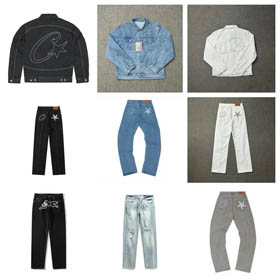
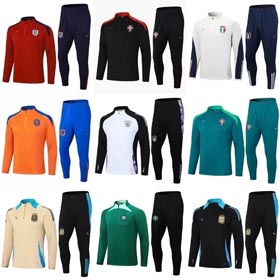
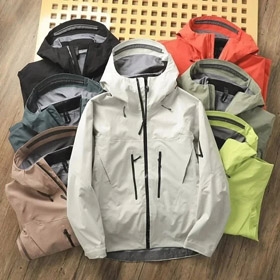
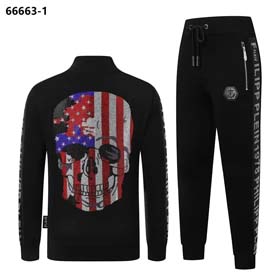
The core methodology involves creating dedicated product analysis sections within the Pingubuy spreadsheet. Here, sellers meticulously categorize and compile positive and negative review keywords from specific product segments. In the beauty and cosmetics category, for instance, recurring positive keywords like 'long-lasting wear' and 'true-to-color shade' signal high market satisfaction. Conversely, frequent complaints such as 'leaky packaging' or 'short expiration date' become critical red flags for exclusion. Similarly, for apparel, keywords like 'comfortable fabric' and 'true to size' denote winners, while issues like 'color fading' or 'fabric pilling' highlight products to avoid. This keyword taxonomy allows agents to filter for merchandise with concentrated positive feedback while proactively steering clear of items plagued by common defects.
This analytical process is equally vital for niches like fashion accessories. By parsing reviews for items such as jewelry, hats, or bags—key accessories categories—sellers can identify attributes like 'durable material,' 'stylish design,' or negative points like 'faded plating.' This directly informs smarter, more profitable sourcing decisions.
Beyond static analysis, the Pingubuy spreadsheet's true power lies in its capacity for trend forecasting. Sellers can track sales velocity and review volume for trending items over time, creating a dynamic dashboard of market shifts. This forward-looking insight enables agents to predict emerging trends, secure inventory for high-potential goods ahead of competitors, and capture market share early. For example, spotting a surge in positive reviews for a specific style of sustainable-material accessories allows for pre-emptive stockpiling before peak demand.
Ultimately, the strategic use of the Pingubuy spreadsheet translates directly into enhanced profitability. By systematically leveraging review data to select high-approval products and anticipate market movements, dropshipping businesses minimize costly inventory mistakes, maximize sell-through rates, and build a sustainable, demand-aligned product strategy. This data-centric framework is no longer optional but essential for any serious professional aiming to succeed in the competitive landscape of cross-border ecommerce sourcing.