



How Pandabuy Spreadsheets Empower Fashion Reselling Professionals
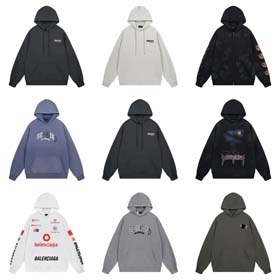
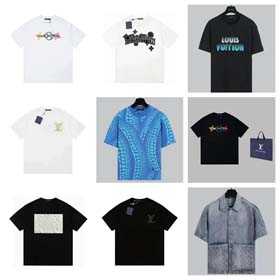
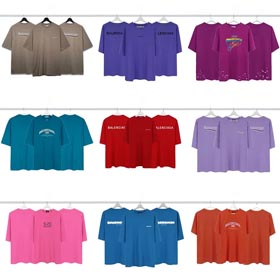
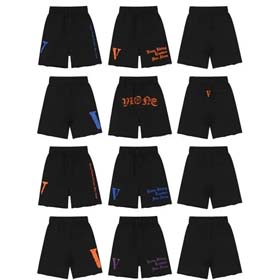
For cross-border fashion resellers specializing in Pandabuy clothing, maintaining an edge demands organization and personalization. The Pandabuy spreadsheet emerges as a central hub, transforming raw product data into a dynamic toolkit for driving customer satisfaction and loyalty. Unlike basic inventory trackers, this tailored document facilitates intelligent styling strategies, sales analysis, and bespoke client consultations, bridging the gap between inventory management and personalized service.
Crafting Seasonal Outfit Collections
Successful resellers leverage dedicated sections of their spreadsheet to curate and recommend complete wardrobes. This outfit-building framework is structured around lifestyle needs:
- Season & Occasion-Based Pairings: Create guided capsules like "Summer Commuting: Breathable Cotton Tee + High-Waisted Wide-Leg Trousers" or "Winter Warmth: Down Jacket + Fleece-Lined Denim." These pre-coordinated suggestions reduce decision fatigue for buyers.
- Linking Products: Each recommended item is hyperlinked to its Pandabuy product page and inventory status, enabling quick access. Important to note, managing details for related cosmetic accessories like Makeup cases or bag organizers can be integrated similarly to complement apparel sales and broaden service offerings.
Data-Driven Strategy: Analyzing Outfit Performance
Beyond curation, the spreadsheet tracks commercial insights, turning subjective taste into objective strategy. A sales-logging column next to each outfit combination reveals patterns. This allows sellers to answer critical questions: Are casual capsule wardrobes outperforming office attire? Which jacket-and-pant pairings generate the most add-on sales? Regular analysis fosters a cycle of optimization; underperforming combinations are revised, while popular ones are promoted heavily.
Personalization Engine: Building Client Loyalty
The most powerful application lies in the client profile tracker. Here, for major or repeat customers, resellers log body types (e.g., pear-shaped, athletic), style preferences (e.g., minimalist, streetwear), and purchase history alongside notes on their preferred choice of jewelry or Makeup palette colors. This enables hyper-targeted outreach. For instance, a client with a pear-shaped silhouette might receive recommendations for A-line skirts and structured blazers, items not just in stock but suited uniquely to them. This tailored approach directly boosts satisfaction, transforming one-time buyers into dedicated patrons who value their reseller as a personal stylist.
Implementation for Business Growth
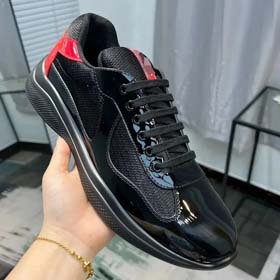
To adopt this system effectively, use template tools (like Google Sheets or Airtable) for their accessibility and real-time updating capability. Structure it with clear tabs: Product Inventory, Outfit Recommendations, Sales Analytics, and Client Profiles. Incorporate product images and links for clarity. For a holistic service, consider a separate section for coordinating accessories, encompassing categories from footwear to trending Makeup storage solutions, which complement Pandabuy's primary fashion inventory. It ultimately standardizes the operation, enabling scale while keeping client interactions uniquely personal—an essential duality for sustainable reselling success.
In conclusion, the Pandabuy operational spreadsheet transcends basic record-keeping, evolving into an intelligent command center. It structures styling creativity, harvests actionable sales data, and encodes personal client insights, delivering a professional, adaptive service model that consistently drives satisfaction within the competitive cross-border fashion marketplace. This becomes a key tool, achieving both cost-effectiveness and high satisfaction on both ends of the operation.