ACbuy Spreadsheet

In the fast-paced world of cross-border shopping, maintaining consistent product quality is one of the most significant challenges for purchasing agents. Discrepancies in sizing, material flaws, shipping damages, or incorrect items can quickly erode customer trust and lead to costly disputes. This is where integrating the Pingubuy spreadsheet as a central quality control management tool becomes invaluable. By combining it with dedicated Pingubuy QC procedures, agents can establish a robust system to meticulously track, analyze, and improve their product standards.
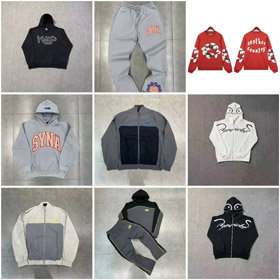
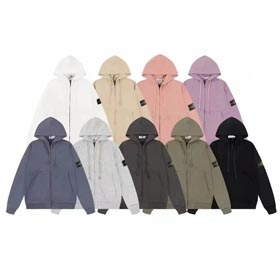
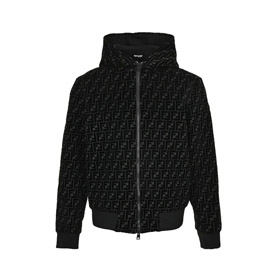
The core strength of the Pingubuy spreadsheet lies in its ability to create detailed, structured quality inspection logs for every product batch. Agents can dedicate a specific section to record all findings from the Pingubuy QC process. For each item or shipment, this includes a thorough check of appearance, precise measurements against listed specifications, functional tests, and packaging integrity. Any deviations, such as material imperfections, color variations, or minor damages, are precisely documented. A critical best practice is noting the presence of any sizing inconsistencies, a common issue in categories like Jackets. This detailed documentation extends to logging instances of wrong or missing items.
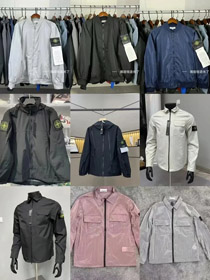
Visual evidence is a cornerstone of transparent quality control. Within the Pingubuy spreadsheet log, agents should consistently include links to cloud-stored inspection photos or clear notes on their storage location. These photos serve as irrefutable proof of the product's condition before shipment, protecting both the agent and the customer. When a client later inquires about the quality of their purchased Jackets or any other item, the agent can swiftly retrieve the corresponding QC record from the spreadsheet. This allows for immediate, fact-based communication about the item's pre-shipping status, dramatically speeding up customer service responses and building confidence.
Beyond individual record-keeping, the Pingubuy spreadsheet unlocks powerful analytical capabilities. Agents can leverage formulas and filters to calculate QC pass rates across different product categories. This data analysis reveals critical trends, such as which supplier or product type consistently has issues. For instance, the data might show that branded Jackets often have a small percentage with loose threads, or that electronics from a certain batch have a higher functional failure rate. Similarly, recurring problems like packaging damage for cosmetics or consistent size deviations in footwear become evident.
These insights empower data-driven decision-making. Purchasing agents can refine their sourcing strategy by prioritizing suppliers with consistently high QC pass rates. For categories or items where minor flaws are statistically common but don't affect usability—like a predictable slight variance in the dye lot of certain Jackets—agents can proactively inform customers in their product descriptions. This upfront transparency manages expectations and significantly reduces post-purchase surprises. Ultimately, adopting this standardized approach to quality documentation via the Pingubuy spreadsheet transforms quality control from a reactive task into a strategic asset. It fosters a reputation for professionalism and reliability, turning satisfied customers into repeat clients and vocal advocates for your purchasing service.
acbuy.cc Legal Disclaimer: Our platform functions exclusively as an information resource, with no direct involvement in sales or commercial activities. We operate independently and have no official affiliation with any other websites or brands mentioned. Our sole purpose is to assist users in discovering products listed on other Spreadsheet platforms. For copyright matters or business collaboration, please reach out to us. Important Notice: acbuy.cc operates independently and maintains no partnerships or associations with Weidian.com, Taobao.com, 1688.com, tmall.com, or any other e-commerce platforms. We do not assume responsibility for content hosted on external websites.