


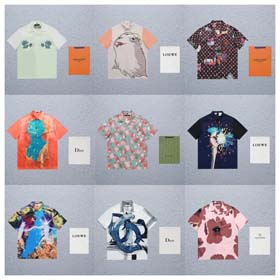



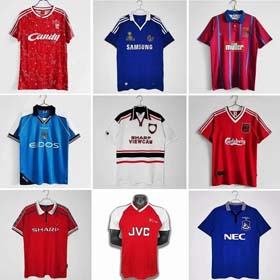





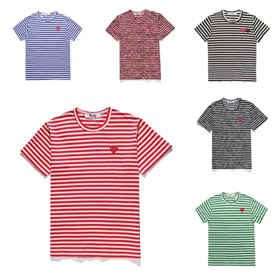



In the fast-paced world of cross-border ecommerce, Pandabuy T-shirt resellers face a constant challenge: identifying which print designs will drive sales. A well-organized Pandabuy spreadsheet emerges as the ultimate tool for transforming guesswork into data-driven success. More than just a product list, this dynamic document enables resellers to track print trends, forecast demand, and execute precision-targeted marketing—directly boosting conversion rates and revenue.
Unlocking Data-Driven Print Selection
The core power of a Pandabuy spreadsheet lies in its ability to turn scattered information into actionable insights. Savvy resellers dedicate entire sections to T-shirt print trend analysis. Here, they log critical metrics like search popularity, sales velocity, and customer feedback for every design style—from vintage cartoons to minimalist typography. By monitoring weekly data, a clear pattern emerges. Perhaps retro gaming graphics see a 40% search spike, while abstract art prints maintain steady sales. This intelligence removes the risk from inventory decisions.
Predicting Trends with Simple Formulas
Advanced resellers take their spreadsheets further by embedding trend-forecasting formulas. Using historical performance data, they project future demand for specific print categories. For instance, if animal motif searches grew 15% monthly for three consecutive periods, the formula might flag it as a “rising trend.” This early warning allows resellers to pivot quickly—increasing procurement for hot styles before competitors catch on. Meanwhile, consistently high-rated designs, like classic band logos, are marked as evergreen staples for reliable income.
Customer Segmentation for Hyper-Targeted Marketing
Beyond sales data, a sophisticated Pandabuy spreadsheet also tracks buyer demographics. Resellers note which customer groups prefer each print style: college students might gravitate toward meme-inspired graphics, while professionals opt for sophisticated geometric patterns. This segmentation enables laser-focused promotions. A reseller can launch a Discord campaign showcasing cartoon-print tees in gaming communities, while simultaneously running LinkedIn ads for minimalist designs to career-focused audiences.
Community Intelligence on Discord
Data from Discord communities dedicated to streetwear and print-on-demand reselling provides invaluable qualitative insights. Savvy resellers monitor discussions in these Discord servers to gauge emerging print preferences and gather unfiltered feedback. Integrating these observations into the spreadsheet—such as noting rising mentions of “Y2K graphics” or “cottagecore fonts”—adds a layer of real-time trend validation that pure sales data might miss. This blend of community listening and quantitative tracking creates a formidable competitive edge.
Implementing Your Strategy
To start, structure your spreadsheet with columns for: Print Style, Search Volume Trend, Units Sold, Average Rating, Target Demographic, and Trend Score. Update it weekly. Use simple moving averages to smooth data fluctuations. Cross-reference your findings with niche forums and social platforms. Most importantly, let the data guide your decisions—not hunches. This disciplined approach transforms your Pandabuy T-shirt venture from a speculative side hustle into a scalable, data-informed business poised for sustained growth in the global print-on-demand marketplace.